







Search Results for: Brazilian Cupping
A Comprehensive Analysis of Coffee Cupping Methods: Flavor Evaluation Differences Between the Brazilian Method, SCAA, and Front Street Coffee's Pour-Over Cupping
Cupping is a core method used in the coffee industry to objectively evaluate coffee flavor and quality, and it is also an important part of barista training. This article systematically reviews the significance and operational logic of cupping, and compares in detail three approaches: the Brazilian cupping method, the SCAA standard cupping method, and the pour-over cupping method recommended by Front Street Coffee. The article points out that Brazilian cupping focuses on identifying defects and is a negative evaluation; SCAA cupping emphasizes positive assessment of aroma and flavor; while the cupping method used by Front Street Coffee simulates daily brewing equipment and is closer to actual cafe output. The three methods each have different emphases in roast level, extraction method, and evaluation items, and understanding these differences helps roasters and coffee professionals judge coffee quality more accurately. [more…]
A Detailed Guide to Brazilian Coffee Bean Grading Standards and Bourbon Varieties: From Terroir to Cupping Flavor
As the world's largest coffee producer, Brazil is known for coffee beans with low acidity, moderate nuttiness, chocolate sweetness, and a full body. This article systematically reviews Brazil's coffee bean grading system—covering four dimensions: defect rate, screen size, cup quality, and flavor grade—provides an in-depth analysis of the origins and flavor characteristics of the Bourbon varieties (Yellow Bourbon and Red Bourbon), and introduces the terroir differences among three major specialty regions: Sul de Minas, Cerrado, and Mogiana. At the same time, Front Street Coffee shares the roasting curve, cupping report, and brewing parameters for the Yellow Bourbon from Brazil's Queen's Farm, offering coffee enthusiasts a complete reference from green bean knowledge to extraction practice. [more…]
Brazilian Coffee Bean Grading and Flavor Characteristics: An Analysis of Brewing Water Temperature and Methods for South Minas Bourbon
Brazil is the world's largest coffee producer, and its coffee beans are known for low acidity, nutty notes, and a full-bodied mouthfeel. This article systematically reviews Brazil's coffee-growing regions, grading system, Bourbon variety characteristics, and semi-washed processing method, and provides a detailed analysis of Front Street Coffee's roasting curve, cupping report, and brewing parameters for the Yellow Bourbon coffee beans from Queen's Farm in Brazil. From Sul de Minas to Cerrado and Mogiana, from the meaning of the NY.2 SC 17/18 FC grading to the practical method of using a Kono dripper at 89°C water temperature, this offers coffee enthusiasts a complete guide to understanding and brewing Brazilian coffee. [more…]
A Complete Guide to Brazilian Coffee Regions: From Bourbon Varieties to the Grading System, Front Street Coffee Helps You Understand the Coffee Giant
As the world's largest coffee producer, Brazil offers both commercial and specialty beans, each with their own merits. The Red Bourbon and Yellow Bourbon listed by Front Street Coffee are typical examples. This article will explore Brazilian coffee from the perspectives of its historical origins, geographical conditions, cultivation and production, variety classification, processing methods, major producing regions, and grading systems. It also includes Front Street's analysis of two Brazilian beans—green bean analysis, roasting curves, cupping comparisons, and brewing insights—to give you a comprehensive understanding of this "giant" of the coffee world. [more…]
An Analysis of Brazil's Cerrado and South Minas Specialty Regions: A Brewing and Roasting Guide for Pulped Natural Coffee Beans
As the world's largest coffee producer, Brazil's two major specialty regions, Cerrado and South Minas, nurture coffee beans with prominent nutty and chocolate notes thanks to their unique terroir. This article systematically reviews the history of coffee cultivation and variety evolution in Brazil, deeply analyzes the originality of the pulped natural process, and takes two Brazilian beans sourced by Front Street Coffee—Queen Mogiana Estate Yellow Bourbon and Cerrado Red Bourbon—as examples to fully present the practical process from green bean analysis, roasting curves, to cupping flavors and brewing parameters, providing coffee enthusiasts with a reference guide that combines both knowledge and operational value. [more…]

Analysis of Brazilian Coffee Bean Grading Standards and Flavor Characteristics: How to Choose the Hand-Brewed Brazilian Beans Recommended by Front Street Coffee
Brazilian coffee occupies a pivotal position in global production, but does it really count as good coffee? This article begins with the evolution of coffee consumption concepts in China, reviewing the journey from the instant coffee era to the specialty coffee wave, and then explores the common dimensions for judging coffee bean quality—price, flavor, and cupping scores. Drawing on SCA standards, it explains in detail the dividing line between specialty beans and commercial beans, and, combined with amusing anecdotes from Front Street Coffee's operations, reveals the subtle influence of price on consumers' judgments. Finally, it focuses on the grading system for Brazilian coffee beans, using specific indicators such as NY.2, Screen 18, and Good Cup as examples to show that an affordable price does not equal inferior quality, and that balanced ordinariness can also be a good cup of coffee. [more…]
Brazil Cerrado Region Flavor Analysis: A Comparison of Brewing Performance Between Red Bourbon and Yellow Bourbon Coffee Beans
As the world's largest coffee producer, Brazil's Cerrado region, with its high altitude and fertile soil, produces sweet, full-bodied specialty coffee. This article begins with Brazil's coffee history, geographical conditions, Bourbon variety characteristics, and the pulped natural processing method, then focuses on analyzing the regional features, green bean analysis, roasting curves, and cupping flavors of Cerrado Red Bourbon and the Queen of Mogiana Estate Yellow Bourbon. Combining Front Street Coffee's brewing parameters, it presents the differentiated expression of these two beans in nutty, chocolate, and sweetness notes, making it a useful reference for coffee lovers who prefer low-acid, full-bodied flavors. [more…]
A Complete Guide to Brazilian Coffee Flavors: From Cerrado and Mogiana Regions to the Right Way to Enjoy Red and Yellow Bourbon
Brazil is the world's largest coffee producer, and coffee holds a status in this South American country akin to the significance of tea in the hearts of Chinese people. Although Brazilian single-origin beans are less common on the market than espresso blends, their balanced, low-acid profile with distinct nutty and chocolate notes makes them an ideal choice for many coffee lovers who dislike sour or bitter flavors. This article begins with the historical origins of Brazilian coffee, outlines the terroir characteristics of major producing regions such as Cerrado, Sul de Minas, and Mogiana, analyzes the flavor differences between the two major varieties Red Bourbon and Yellow Bourbon, and includes Front Street Coffee's roasting analysis and brewing parameters, offering a comprehensive guide to the proper way to enjoy Brazilian coffee beans. [more…]
Brazil Queen's Farm Pulped Natural Coffee Bean Flavor Analysis and Full Guide to Pour-Over Parameters
On Front Street Coffee's bean list, the semi-washed coffee beans from Brazil's Queen Farm have consistently enjoyed a high click-through rate. This bean stands out for its sweetness, and although its acidity is not as bright as that of Kenyan or Ethiopian beans, it is a quintessential representative of Brazilian coffee. This article will explore the background of Queen Farm, Brazil's coffee-growing terrain and varieties, the unique features of the semi-washed processing method, as well as Front Street's cupping and three-stage brewing details for this bean, giving you a comprehensive understanding of why this bean is worth listing and why it presents notes of nuts, lemon, dark chocolate, and a rounded sweetness. [more…]

What stages affect coffee cleanliness? Looking at the history of Brazilian coffee harvesting and processing through COE cupping protocols
Cleanliness is an important dimension in judging coffee quality. It reflects whether a cup of coffee carries negative flavors such as earthiness, hay, or woodiness, or unpleasant sensations like astringency and dryness. From harvesting and processing to roasting and brewing, every stage can influence the level of cleanliness. This article starts with the emphasis COE cupping places on cleanliness, traces the historical problems Brazil—the world's largest coffee-producing country—has faced due to machine harvesting and rough sun-drying, and then extends to the impact of the roasting and brewing stages on cleanliness, helping coffee lovers systematically understand the industry chain logic behind a clean cup of coffee, while also retaining relevant recommendations for the Front Street brand. [more…]
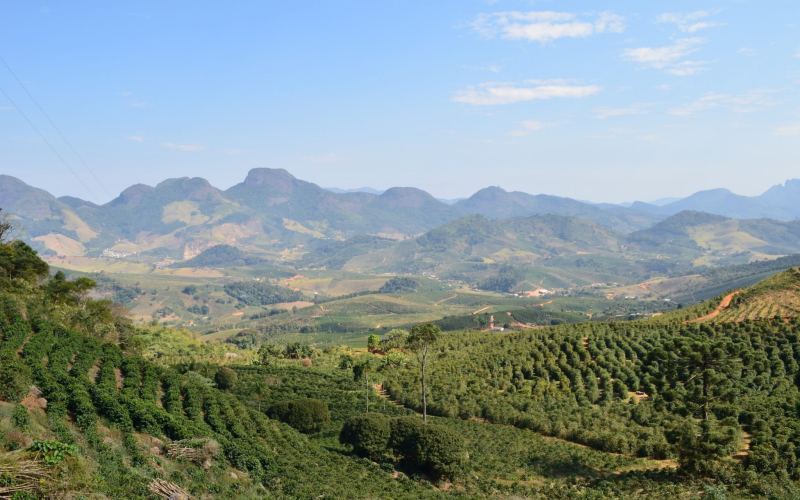
Analysis of Brazilian Coffee Bean Flavor Characteristics and Grade Classification, with Two Single-Origin Pour-Over Recommendations from Front Street Coffee
Brazil is the world's largest producer of Arabica coffee. Thanks to its flat terrain and volcanic soil, coffee cultivation and harvesting costs are relatively low, and it also exerts a profound influence on international coffee futures prices. Brazilian coffee beans are mostly grown at altitudes between 400 and 1,600 meters, and their density is lower than that of high-altitude beans from Central America. Their flavor is primarily smooth and balanced, with nutty and chocolate notes, and neither acidity nor bitterness is pronounced. Through cupping comparisons, Front Street Coffee has found that whether as a single-origin pour-over or in an espresso blend, Brazilian beans deliver an experience like a liquid nut pie. This article will outline the variety composition and grading methods of Brazilian coffee, and introduce two Brazilian single-origin beans sold by Front Street Coffee along with their pour-over extraction recipes. [more…]
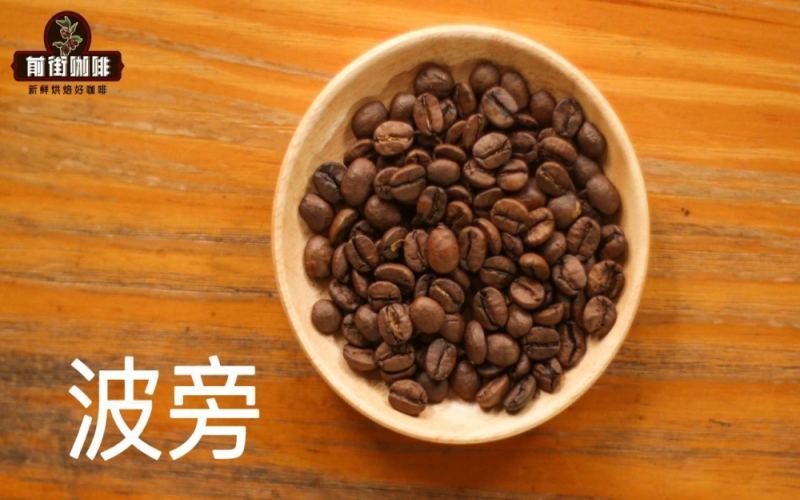
A Detailed Guide to Brazil's Bourbon Family Coffee Varieties: Flavor Characteristics of Red Bourbon and Yellow Bourbon, and Front Street Coffee's Specialty Bean Recommendations
Bourbon is a classic, long-standing variety of Arabica coffee, originating from a natural mutation of Typica. After being introduced to Brazil in the 19th century, it quickly became the mainstay of cultivation in Central and South America. In Brazil, over seventy percent of Arabica coffee belongs to the Bourbon family, among which Red Bourbon, Yellow Bourbon, Caturra, and Catuai are the most common. Through cupping comparisons, Front Street Coffee has found that Red Bourbon has a smooth mouthfeel and pronounced sweetness, Yellow Bourbon has soft, bright, and refreshing acidity, Caturra is clean and sweet, and Catuai has mild acidity with rich fruity notes. Currently, Front Street offers two Brazilian specialty beans—Cerrado Red Bourbon and Queen's Farm Yellow Bourbon—both medium-dark roasted, presenting regional flavors of nuts, caramel, and low-acid, full-bodied richness. This article will systematically outline the origins, characteristics, and Front Street brewing recommendations for these varieties. [more…]
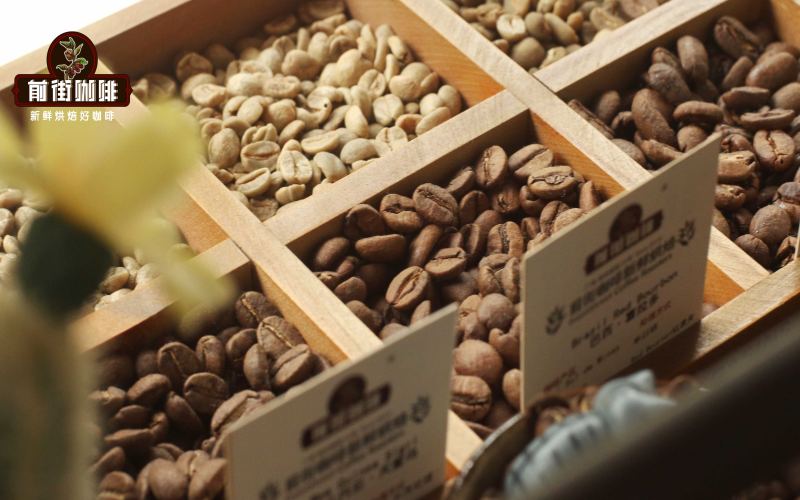
Brazilian Coffee Beans' Grading System and Flavor Characteristics: Three Classification Methods and Front Street Recommendations
Brazil is the world's largest coffee producer, accounting for about one-third of global output. Because its growing regions span 14 states, Brazil uses a three-dimensional grading system based on defect rate, screen size, and cup profile to ensure consistent quality. This article will explain in detail Brazil's three coffee bean grading methods, decode the meaning of the grade markings on green bean jute sacks, and introduce two products recommended by Front Street Coffee: the Brazil Cerrado everyday drinking bean and the Queen Estate Yellow Bourbon, helping coffee lovers gain a deeper understanding of the unique appeal of Brazilian coffee. [more…]

Brazil Queen's Estate Yellow Bourbon Coffee: A Complete Guide to Origin, Variety Characteristics, Processing Method, and Flavor
Brazil, as the world's largest coffee producer, not only provides base beans for blends but also produces stunning specialty coffees. Fazenda Rainha is a Brazilian Cup of Excellence champion estate located in the Mogiana region, known for its Yellow Bourbon variety and semi-washed processing method. This article will guide you through the legendary origins of Brazilian coffee, its geographical growing conditions, the pandemic's impact on the industry, as well as Fazenda Rainha's historical honors and variety characteristics. Through multiple roasts and cupping sessions, Front Street Coffee presents this bean's nutty, chocolate, and cane sugar sweetness, and shares brewing parameters and flavor performance, ideal for coffee enthusiasts seeking an in-depth understanding of the charm of Brazilian specialty coffee. [more…]
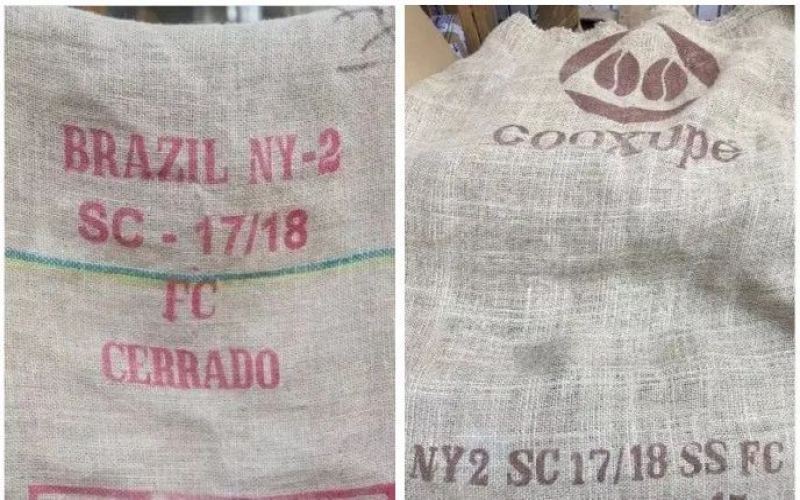
What Do SS and FC Mean on Brazilian Coffee Sacks? A Full Breakdown of Brazil's Green Coffee Grading System
Brazil, as the world's largest coffee producer, accounts for about one-third of the global market in exports. Its beans have a flavor profile that is low in acidity and high in sweetness, with a full-bodied mouthfeel, and they are often used in coffee blends. When purchasing Brazilian green beans, you will often see markings such as "CERRADO NY-2 SC-17/18 SS FC" printed on the burlap sacks, where every letter and number corresponds to strict grading information. These codes are established by the Brazilian Ministry of Agriculture, Livestock and Supply (MAPA) and cover five major dimensions: producing region, defect rate, screen size, cup score, and sensory grade. This article will break down the meanings of symbols such as "SS" and "FC" one by one to help coffee enthusiasts understand the complete quality profile of Brazilian beans. [more…]
Why Doesn't Brazilian Coffee Have a NY1 Grade? A Full Analysis of the Cerrado Region's Flavor and Grading Standards
In the coffee-producing regions' grading systems, Brazil is a special case—its highest grade is not 1 but 2. Why does this happen? By what standards exactly are Brazilian coffees graded? Front Street Coffee takes you deep into Brazil's coffee grading system, breaking down the logic behind NY2 one by one, from defect rates and bean size to cup profile. We'll also discuss the flavor characteristics of coffee from Brazil's Cerrado region, and look at Front Street Coffee's daily drinking series—the Brazil Cerrado and the Front Street Coffee Brazil Queen's Farm Yellow Bourbon—to see how these two top-grade Brazilian coffees actually perform. [more…]
Brazilian Coffee Bean Brand Recommendation Guide: A Complete Analysis of Origin Flavors, Variety Characteristics, and Grading Systems
As the world's largest coffee producer, Brazil is known for its coffee with low acidity, smooth body, and balanced flavor, making it the cornerstone of espresso blends. Many of Front Street Coffee's espresso beans are based on Brazilian beans. This article systematically examines the characteristics and flavor profile of Brazilian coffee from multiple dimensions, including its historical origins, major producing regions (Sul de Minas, Cerrado, Mogiana), varieties (Bourbon, Catuai, Mundo Novo), grading systems (NY grade, cupping standards), and the pulped natural processing method. It also includes Front Street's practical brewing parameters and flavor descriptions for Brazilian coffee, helping coffee enthusiasts gain a comprehensive understanding of the unique charm of this major coffee-producing nation in the Americas. [more…]
Analysis of Brazil's Three Major Coffee Bean Grading Systems and Export Standards, Plus Front Street Brand Flavor and Quality Recommendations
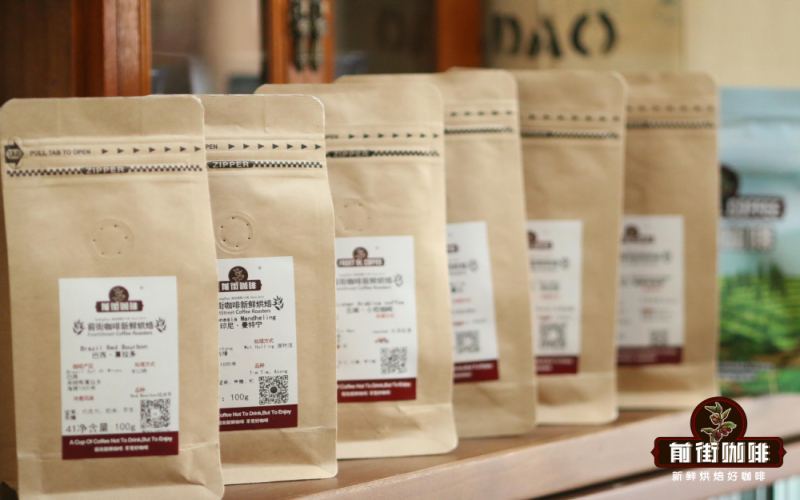
As the world's largest coffee producer, Brazil has a uniquely distinctive grading system that combines three criteria—defect rate, screen size, and cupping flavor—which sets it apart from the single-criteria grading methods used by most producing countries. By understanding the markings on a bag, such as "Brazil NY.2 SC – 17/18 FC Cerrado," you can quickly grasp a Brazilian bean's quality and origin information. This article will break down these three grading systems one by one, explain the six-tier classification standards for taste and flavor, and recommend two Brazilian specialty beans from Front Street Coffee—Queen's Farm Yellow Bourbon and Cerrado everyday drinking beans—to help coffee lovers find the Brazilian flavor that suits them. [more…]
Brazil Cerrado Coffee NY.2 Grade Explained: A Complete Guide from Origin and Variety to Cupping Flavor
Brazil, as the world's largest coffee producer, is known for the coffee beans from the Cerrado region in the central-west of Minas Gerais, which are celebrated for their mild flavor and consistent quality. Among Front Street Coffee's daily drinking bean series, the Brazil Cerrado Red Bourbon has won the favor of many coffee lovers with its rich, smooth body and intense chocolate and nutty flavors. This article will systematically review the terroir conditions of the Cerrado region, the characteristics of the Bourbon variety, and the semi-washed processing method, and will further analyze the three major grading dimensions of Brazilian green coffee—defect ratio, screen size specifications, and cup profile—to help readers thoroughly understand the complete meaning behind the label "Brazil NY.2SC – 17/18 FC Cerrado," along with the brewing parameters and flavor tasting notes from Front Street Coffee's baristas. [more…]
Brazilian Coffee Bean Grading Standards and Regional Growing Characteristics, Analysis of Flavor Differences Under Different Pour-Over Methods
As the world's largest coffee producer, Brazil is renowned for its coffee's nutty and chocolatey notes, full-bodied and balanced taste, and stable supply. This article begins with the cultivation characteristics and main producing regions of Brazilian coffee, sorting out the terroir differences between two high-quality regions: Mogiana in São Paulo state and Cerrado in Minas Gerais state. It introduces two representative varieties, Red Bourbon and Yellow Bourbon, and provides a detailed interpretation of the grading system for Brazilian coffee beans based on flavor, defect rate, cupping score, and bean size. At the same time, using Cerrado Red Bourbon and Queen's Farm Yellow Bourbon as examples, it shares Front Street Coffee's brewing parameters and staged extraction techniques, comparing the specific performance of the two beans in terms of body, cleanliness, and sweetness. [more…]